

- Адрес:Xiamei Town, Quanzhou, Fujian, China
- Телефон:1388xx888xx
- Мобильные телефоны:1388xx888xx
- Почтовый ящик:1388xx888xx@gmail.com
Текущее местоположение: Главная страница> Информационный центр> Голосовое управление без рук новая эра технологий
Голосовое управление без рук новая эра технологий
Добавить время:2025-11-29
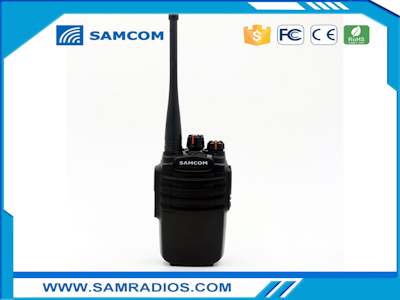
В мире, где технологии стремительно развиваются, голосовое управление без использования рук становится не просто удобным дополнением, а настоящей революцией. Эта инновация переопределяет то, как мы взаимодействуем с устройствами, делая нашу жизнь более эффективной, безопасной и интуитивной. От умных домов до автомобилей и здравоохранения, голосовые команды открывают новые горизонты, освобождая нас от необходимости физического контакта с гаджетами. В этой статье мы глубоко погрузимся в тему голосового управления, исследуя его историю, технологии, преимущества, применение и будущее.
Введение в голосовое управление
Голосовое управление — это технология, которая позволяет пользователям управлять устройствами и приложениями с помощью голосовых команд, без необходимости использовать руки или физические интерфейсы. Это стало возможным благодаря достижениям в области искусственного интеллекта (ИИ), машинного обучения и обработки естественного языка (NLP). Идея не нова; первые попытки создания систем распознавания речи появились ещё в 1950-х годах, но только в последнее десятилетие мы увидели массовое внедрение этой технологии в повседневную жизнь.
Ключевые компоненты голосового управления включают микрофоны для захвата звука, алгоритмы для распознавания речи, и интеллектуальные системы для выполнения команд. Популярные примеры — это голосовые помощники, такие как Amazon Alexa, Google Assistant, Apple Siri и Microsoft Cortana. Они не только понимают команды, но и адаптируются к индивидуальным голосам и акцентам, обеспечивая персонализированный опыт.
Преимущества голосового управления очевидны: оно повышает удобство, особенно в ситуациях, когда руки заняты, например, во время вождения или приготовления пищи. Кроме того, оно делает технологии более доступными для людей с ограниченными возможностями, таких как те, у кого проблемы с моторикой или зрением. Однако, несмотря на прогресс, остаются вызовы, такие как точность распознавания в шумной среде или concerns about privacy and security.
В этой статье мы рассмотрим, как голосовое управление без рук трансформирует различные отрасли, и почему оно represents a new era in technology. Мы also обсудим технические аспекты, включая использование ИИ и машинного обучения, и заглянем в будущее, где голос может стать основным интерфейсом для взаимодействия с digital world.
Исторический контекст и эволюция
История голосового управления началась с простых экспериментов в mid-20th century. В 1952 году, Bell Laboratories разработали «Audrey», систему, которая могла распознавать цифры, произнесённые одним голосом. Это был скромный начало, но оно заложило foundation для будущих innovation. В 1960-х и 1970-х, research в области speech recognition accelerated, with systems like IBM's Shoebox, which could understand 16 words. Однако, эти early systems were limited by technology of the time and required extensive training.
The 1980s and 1990s saw significant improvements with the advent of hidden Markov models (HMMs), which allowed for more accurate speech recognition by modeling the statistical properties of speech. Companies like Dragon Systems released software such as Dragon Dictate, which brought speech recognition to personal computers. This was a game-changer for professionals like writers and doctors, who could now dictate text instead of typing.
The real breakthrough came in the 2010s with the rise of AI and deep learning. Google, Apple, and Amazon introduced voice assistants that could not only recognize speech but also understand context and perform complex tasks. Siri debuted on the iPhone in 2011, followed by Google Now in 2012, and Alexa in 2014. These assistants leveraged cloud computing and big data to improve accuracy and functionality.
Today, voice control is ubiquitous, integrated into smartphones, smart speakers, cars, and even home appliances. The evolution from basic command recognition to conversational AI has been driven by advances in neural networks and natural language processing. This journey highlights how voice technology has moved from niche applications to mainstream adoption, setting the stage for hands-free operation as a standard feature in modern tech.
Технологии behind голосового управления
At the core of voice control are several sophisticated technologies. Speech recognition involves converting spoken words into text using acoustic and language models. Acoustic models analyze the sound waves to identify phonemes, while language models use statistical methods to predict the most likely words based on context. Modern systems employ deep learning algorithms, such as recurrent neural networks (RNNs) and transformers, which excel at handling sequential data like speech.
Natural language processing (NLP) is another critical component. It enables systems to understand the intent behind commands, not just the words. For example, when you say "play some music," NLP helps the assistant determine that you want to start a music player and select a playlist. This involves tasks like sentiment analysis, entity recognition, and dialogue management.
Cloud computing plays a vital role by providing the computational power needed for real-time processing. Voice data is often sent to remote servers where powerful algorithms can analyze it quickly. This allows for continuous improvement through machine learning, as systems learn from vast datasets of user interactions.
Additionally, hardware advancements have made voice control more accessible. High-quality microphones with noise-cancellation features ensure that commands are captured clearly even in noisy environments. Integration with IoT devices enables seamless control of smart homes, where voice commands can adjust lighting, temperature, or security systems.
Despite these advancements, challenges remain. Accents, background noise, and ambiguous commands can still cause errors. However, ongoing research in AI is addressing these issues, making voice control more robust and reliable. The combination of these technologies is what makes hands-free voice management not just possible, but increasingly indispensable.
Преимущества и удобство
Одним из главных преимуществ голосового управления является его удобство. В современном busy мире, возможность управлять устройствами без использования рук экономит время и reduces friction. Например, во время вождения, голосовые команды позволяют safely отвечать на звонки, navigровать или control музыку, minimizing distractions and enhancing road safety.
В домашней обстановке, голосовые помощники like Alexa or Google Home can streamline daily routines. You can set alarms, check the weather, or control smart devices with simple voice commands. This is particularly beneficial for multitasking, such as when cooking or caring for children, where hands are often occupied.
Accessibility is another significant advantage. Voice control empowers individuals with disabilities, such as those with mobility impairments or visual impairments, to interact with technology more independently. Screen readers and voice-activated tools have become essential aids, promoting inclusivity and equality.
Moreover, voice interfaces can reduce the learning curve for new technology. Unlike traditional interfaces that require memorizing menus or buttons, voice commands are intuitive and natural, mimicking human conversation. This makes technology more approachable for all age groups, from children to seniors.
From a business perspective, voice control can enhance customer service through voice-activated IVR systems or virtual assistants, improving efficiency and user satisfaction. Overall, the benefits extend beyond convenience to safety, accessibility, and efficiency, making voice control a transformative force in tech.
Применение в умных домах
Умные дома are one of the most prominent applications of hands-free voice control. With the proliferation of IoT devices, voice assistants have become central hubs for home automation. You can use voice commands to adjust thermostats, turn lights on and off, lock doors, or even control appliances like refrigerators and ovens.
For instance, saying "Alexa, turn off the lights" can trigger smart bulbs to dim or shut down, creating a comfortable ambiance without lifting a finger. Similarly, voice control can integrate with security systems, allowing you to check camera feeds or arm alarms verbally, enhancing home safety.
Entertainment systems also benefit greatly. Voice commands can play music, control TVs, or suggest movies based on your preferences. This seamless integration makes the home experience more immersive and personalized.
Furthermore, voice control in smart homes promotes energy efficiency. By easily adjusting heating or cooling settings, users can reduce energy consumption, contributing to environmental sustainability. The ability to manage multiple devices through a single interface simplifies complex setups, making smart home technology accessible to a broader audience.
As technology advances, we can expect even deeper integration, with voice control becoming predictive—anticipating needs based on habits and contexts. This evolution will further solidify the role of voice in creating intelligent, responsive living spaces.
Использование в автомобилях
В automotive industry, hands-free voice control is revolutionizing the driving experience. Modern vehicles are equipped with infotainment systems that respond to voice commands for navigation, communication, and entertainment. This reduces driver distraction, as tasks that previously required manual input can now be done verbally.
For example, systems like Apple CarPlay and Android Auto allow drivers to make calls, send messages, or get directions using voice prompts. This enhances safety by keeping eyes on the road and hands on the wheel. Advanced systems can even control climate settings or access vehicle diagnostics, providing a comprehensive hands-free experience.
Voice control is also integral to autonomous driving technologies. As self-driving cars evolve, voice interfaces will likely become the primary mode of interaction, allowing passengers to communicate with the vehicle naturally. This could include requesting stops, adjusting routes, or accessing information about the journey.
Moreover, voice recognition in cars is improving with noise-cancellation algorithms that filter out road and engine noise, ensuring accurate command execution. This technology not only improves convenience but also contributes to safer roads by minimizing cognitive load on drivers.
Looking ahead, the integration of AI will enable more conversational interactions, where the car can understand complex requests and provide proactive assistance, such as suggesting detours based on traffic conditions. The automotive sector is poised to be a major adopter of hands-free voice technology, shaping the future of mobility.
Роль в здравоохранении
In healthcare, hands-free voice control offers numerous benefits, particularly in clinical settings where hygiene and efficiency are paramount. Surgeons and medical staff can use voice commands to access patient records, control medical equipment, or navigate software without touching devices, reducing the risk of contamination.
For instance, in operating rooms, voice-activated systems can adjust lighting, retrieve imaging data, or document procedures in real-time. This stream workflows and allows professionals to focus more on patient care. Voice technology also aids in telemedicine, enabling remote consultations where patients can describe symptoms verbally, and AI assistants can provide preliminary assessments.
Accessibility is another key area. Patients with disabilities can use voice commands to operate assistive devices, such as wheelchairs or communication aids, improving their quality of life. Additionally, voice-controlled health monitors can track vital signs and remind patients to take medication, promoting better health management.
Challenges include ensuring data privacy and accuracy in critical situations, but advancements in secure voice recognition are addressing these concerns. The potential for voice AI to assist in diagnostics by analyzing speech patterns for signs of conditions like depression or neurological disorders is also being explored.
Overall, voice control in healthcare enhances efficiency, safety, and accessibility, making it a valuable tool for modern medical practice. As technology matures, we can expect broader adoption and innovation in this vital sector.
Вызовы и ограничения
Несмотря на многочисленные advantages, голосовое управление faces several challenges. Accuracy remains a primary issue; background noise, accents, and speech impediments can lead to misinterpretations. This is especially problematic in safety-critical applications like healthcare or driving, where errors could have serious consequences.
Privacy and security are major concerns. Voice data often stored in the cloud raises questions about data breaches and unauthorized access. There have been instances of voice assistants accidentally recording private conversations, highlighting the need for robust encryption and clear privacy policies.
Another limitation is the lack of universal standards. Different platforms and devices may have incompatible voice systems, creating fragmentation and reducing interoperability. Users might need to learn multiple command sets for different ecosystems, which can be confusing.
Cultural and linguistic diversity also poses challenges. Voice systems are often trained on data from dominant languages and accents, leading to biases that exclude minority groups. Improving inclusivity requires more diverse datasets and adaptive algorithms.
Lastly, there is the issue of over-reliance. As voice control becomes more pervasive, there is a risk of reduced human interaction or skills degradation, such as typing or manual problem-solving. Balancing technology with human touch is essential for sustainable adoption.
Addressing these challenges through continued research and ethical considerations will be crucial for the future success of hands-free voice technology.
Будущее голосового управления
The future of hands-free voice control is incredibly promising, driven by advancements in AI, 5G, and edge computing. We can expect voice assistants to become more conversational and context-aware, capable of understanding nuanced commands and engaging in meaningful dialogues. This will make interactions feel more natural and human-like.
Integration with augmented reality (AR) and virtual reality (VR) will open new possibilities. For example, in AR glasses, voice commands could control digital overlays or retrieve information hands-free, enhancing experiences in gaming, education, or professional training.
In the Internet of Things (IoT), voice control will become ubiquitous, with every device—from wearables to industrial machinery—responding to voice prompts. This will create a seamlessly connected environment where voice is the primary interface for digital interaction.
Ethical AI development will focus on reducing biases and improving accessibility for all users. We may see personalized voice models that adapt to individual speech patterns, making technology more inclusive. Additionally, advances in on-device processing will enhance privacy by reducing reliance on cloud servers.
Ultimately, voice control could evolve beyond commands to proactive assistance, where systems anticipate needs based on behavior and environment. This new era will redefine human-machine interaction, making technology an invisible yet integral part of daily life.
Заключение
Голосовое управление без рук represents a monumental shift in how we interact with technology. From its historical roots to current applications in smart homes, cars, and healthcare, it offers unparalleled convenience, safety, and accessibility. While challenges like accuracy and privacy persist, ongoing innovations in AI and hardware are paving the way for a future where voice is the dominant interface.
As we embrace this new era, it is essential to foster ethical development and inclusivity, ensuring that voice technology benefits everyone. The potential is limitless, and with continued advancement, hands-free voice control will undoubtedly become a cornerstone of modern life, transforming our relationship with the digital world.
We encourage readers to explore voice-controlled devices and stay informed about emerging trends. The journey has just begun, and the best is yet to come in this exciting technological revolution.
Предыдущая страница: Шумоподавление для вашей безопасности
Следующая страница: Современные системы беспроводных устройств переопределяют вашу жизнь