

- Адрес:Xiamei Town, Quanzhou, Fujian, China
- Телефон:1388xx888xx
- Мобильные телефоны:1388xx888xx
- Почтовый ящик:1388xx888xx@gmail.com
Текущее местоположение: Главная страница> Информационный центр> Революция в общении как беспроводные сети меняют мир
Революция в общении как беспроводные сети меняют мир
Добавить время:2025-12-10
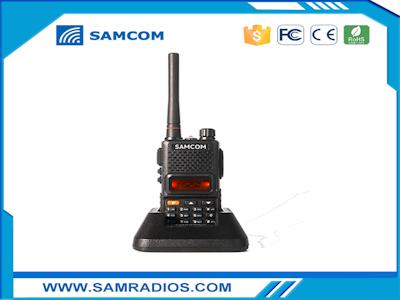
В современном мире беспроводные сети стали неотъемлемой частью нашей повседневной жизни. От простого обмена сообщениями до сложных промышленных приложений, они кардинально изменили то, как мы общаемся, работаем и живем. В этой статье мы глубоко погрузимся в революцию, вызванную беспроводными технологиями, исследуя их историю, текущее состояние и будущие перспективы. Мы рассмотрим ключевые технологии, такие как Wi-Fi, Bluetooth и 5G, и как они способствуют созданию более связанного и интеллектуального мира.
Введение в беспроводные сети
Беспроводные сети относятся к системам связи, которые передают данные без использования физических проводов. Они основаны на радиоволнах, микроволнах или инфракрасном излучении для обеспечения connectivity между устройствами. Эта технология зародилась в конце 19 века с изобретением радио Гульельмо Маркони, но настоящий бум произошел в последние десятилетия с развитием стандартов, таких как Wi-Fi и сотовые сети.
Основные преимущества беспроводных сетей включают мобильность, гибкость и масштабируемость. Они позволяют устройствам подключаться к интернету и друг к другу из любого места, устраняя ограничения, накладываемые кабелями. Это открыло двери для инноваций в различных областях, от потребительской электроники до критической инфраструктуры.
Однако беспроводные сети также сталкиваются с вызовами, такими как безопасность, interference и энергопотребление. Несмотря на это, их влияние на общество продолжает расти, делая мир более interconnected и efficient.
Исторический обзор: от радио до 5G
История беспроводных сетей начинается с открытия электромагнитных волн Джеймсом Клерком Максвеллом в 1860-х годах и последующих экспериментов Генриха Герца. В 1895 году Гульельмо Маркони успешно передал первое беспроводное сообщение, заложив основу для радио communication. В течение 20 века радио стало основным средством массовой информации и связи, особенно во время мировых войн.
В 1970-х годах появились первые сотовые сети, такие как Advanced Mobile Phone System (AMPS), которые позволили мобильным телефонам подключаться к сети. Это привело к развитию поколений сотовых технологий: 1G (аналоговые голосовые calls), 2G (цифровые голос и SMS), 3G (мобильный интернет), 4G (высокоскоростной broadband) и, наконец, 5G (сверхбыстрая связь с низкой задержкой).
Параллельно, в 1990-х годах, Institute of Electrical and Electronics Engineers (IEEE) разработал стандарт Wi-Fi (802.11), который революционизировал локальные беспроводные сети. Bluetooth, представленный в 1999 году, добавил возможности short-range communication для устройств. Эти технологии collectively transformed how we access information and interact with technology.
Ключевые технологии: Wi-Fi, Bluetooth и другие
Wi-Fi, основанный на стандарте IEEE 802.11, является одной из самых распространенных беспроводных технологий. Он использует radio frequencies в диапазонах 2.4 GHz и 5 GHz для обеспечения high-speed internet access. С течением времени Wi-Fi evolved from 802.11b (11 Mbps) to 802.11ax (Wi-Fi 6, до 9.6 Gbps), предлагая improved speed, capacity, and efficiency. Wi-Fi enables connectivity in homes, offices, public spaces, and even cities through mesh networks.
Bluetooth, стандартизированный Bluetooth Special Interest Group (SIG),专注于 short-range communication (до 100 meters) с низким энергопотреблением. Он идеален для connecting devices like headphones, keyboards, and smartwatches. Recent versions, such as Bluetooth 5.0, offer enhanced range and data rates, supporting applications in IoT and wearable technology.
Другие важные технологии включают Zigbee and Z-Wave for smart home automation, NFC for contactless payments, and satellite networks for global coverage. Каждая из этих technologies plays a unique role in the wireless ecosystem, contributing to a seamless connected experience.
5G: следующее поколение connectivity
5G represents the fifth generation of cellular network technology, promising unprecedented speeds (up to 20 Gbps), ultra-low latency (less than 1 ms), and massive connectivity (up to 1 million devices per square kilometer). Unlike previous generations, 5G utilizes higher frequency bands (millimeter waves) and advanced technologies like massive MIMO and network slicing to deliver enhanced performance.
The impact of 5G is profound. It enables real-time applications such as autonomous vehicles, remote surgery, and augmented reality. In industries, 5G facilitates smart manufacturing and logistics through IoT integration. For consumers, it means faster downloads, smoother streaming, and new immersive experiences. However, deployment challenges include infrastructure costs and spectrum allocation, but ongoing efforts are accelerating its adoption worldwide.
Looking ahead, 5G will serve as a foundation for future innovations, including 6G, which is already in research phases and aims to integrate artificial intelligence and terahertz communications for even more transformative capabilities.
Беспроводные сети в повседневной жизни
Беспроводные сети deeply embedded in daily activities. From smartphones and laptops to smart home devices, they enable constant connectivity. For instance, Wi-Fi in homes allows families to stream videos, play online games, and work remotely. Bluetooth connects wireless earbuds for music on the go, while cellular networks ensure we stay connected even outdoors.
In public spaces, free Wi-Fi hotspots in cafes, airports, and parks provide internet access to millions, fostering social interaction and business opportunities. Wearable devices like fitness trackers use Bluetooth to sync data with apps, helping users monitor their health. Moreover, wireless payment systems like Apple Pay rely on NFC technology for secure transactions.
This omnipresence of wireless networks has made life more convenient and efficient. However, it also raises concerns about privacy and data security, as continuous connectivity increases vulnerability to cyber threats. Nonetheless, the benefits outweigh the risks for most users, driving further adoption and innovation.
Влияние на бизнес и экономику
Беспроводные сети have revolutionized business operations and economic growth. They enable remote work, allowing companies to tap into global talent pools and reduce overhead costs. Cloud-based services, accessible via wireless connections, facilitate collaboration and data storage, enhancing productivity.
In retail, wireless technologies power inventory management through RFID and enable personalized marketing via mobile apps. The rise of e-commerce relies heavily on mobile internet, with consumers shopping online using smartphones. Additionally, industries like logistics use GPS and cellular networks for real-time tracking of shipments, improving efficiency.
The economic impact is significant. According to studies, the wireless industry contributes trillions of dollars to global GDP and creates millions of jobs. Innovations in 5G and IoT are expected to drive further economic transformation, enabling new business models and services that were previously unimaginable.
Роль в Интернете вещей (IoT)
Internet of Things (IoT) refers to the network of physical objects embedded with sensors and software that connect and exchange data via wireless networks. This technology is a key driver of the wireless revolution, enabling smart cities, homes, and industries.
In smart homes, IoT devices like thermostats, lights, and security cameras use Wi-Fi or Zigbee to automate tasks and improve energy efficiency. In agriculture, wireless sensors monitor soil conditions and crop health, optimizing yields. In healthcare, IoT devices track patient vitals and enable telemedicine, enhancing care delivery.
5G is crucial for IoT scalability, supporting the massive number of connected devices with low latency. This integration is transforming how we interact with the physical world, making it more responsive and intelligent. However, challenges such as interoperability and security must be addressed to fully realize IoT's potential.
Беспроводные сети в образовании и здравоохранении
In education, wireless networks have enabled digital learning platforms, online courses, and virtual classrooms. Students can access educational resources from anywhere, breaking down geographical barriers. During the COVID-19 pandemic, Wi-Fi and cellular networks were lifelines for remote learning, ensuring continuity of education.
In healthcare, wireless technologies facilitate telemedicine, allowing doctors to consult patients remotely. Wearable devices monitor health metrics in real-time, enabling preventive care. In hospitals, wireless networks support electronic health records and medical设备 connectivity, improving patient outcomes and operational efficiency.
These applications demonstrate how wireless networks are not just about convenience but are critical for social development. They promote inclusivity and access to essential services, especially in underserved regions where traditional infrastructure is lacking.
Вызовы и будущее беспроводных технологий
Despite the advancements, wireless networks face several challenges. Security is a major concern, with risks of hacking, data breaches, and privacy violations. Encryption and authentication protocols are continuously evolving to mitigate these threats.
Interference from other devices and network congestion can affect performance, especially in crowded areas. Energy consumption is another issue, as wireless devices require power, driving research into low-energy solutions like energy harvesting.
The future of wireless technology is bright. Research is underway on 6G, which aims to offer terabit speeds and integrate AI for self-optimizing networks. Quantum communication and Li-Fi (light-based wireless) are emerging alternatives that could complement radio-based systems. These innovations promise to make wireless networks faster, more reliable, and ubiquitous.
Заключение: мир, связанный беспроводными сетями
Беспроводные сети have undeniably revolutionized communication and society. From enabling global connectivity to driving economic growth and innovation, they are at the heart of the digital age. As technologies like 5G and IoT continue to evolve, we can expect even more profound changes, creating a world where everything is interconnected.
Embracing these advancements while addressing challenges will be key to harnessing the full potential of wireless networks. The future is wireless, and it holds endless possibilities for transforming how we live, work, and communicate.
This article has explored the multifaceted impact of wireless networks, highlighting their history, technologies, applications, and future directions. As we move forward, staying informed and adaptable will ensure we thrive in this connected era.
Предыдущая страница: Будущее связи как Bluetooth меняет нашу повседневную жизнь
Следующая страница: Почему легкие гаджеты становятся все более популярными сегодня