

- Адрес:Xiamei Town, Quanzhou, Fujian, China
- Телефон:1388xx888xx
- Мобильные телефоны:1388xx888xx
- Почтовый ящик:1388xx888xx@gmail.com
Текущее местоположение: Главная страница> Информационный центр> Безопасность беспроводных систем современные подходы для надежной защиты данных
Безопасность беспроводных систем современные подходы для надежной защиты данных
Добавить время:2025-12-19
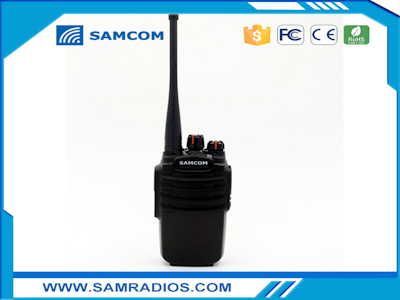
В современном цифровом мире беспроводные системы стали неотъемлемой частью нашей повседневной жизни. От Wi-Fi сетей в офисах и домах до мобильных соединений и интернета вещей (IoT) — эти технологии обеспечивают удобство и гибкость. Однако с ростом их популярности увеличиваются и риски, связанные с кибербезопасностью. Защита данных в беспроводных средах требует современных подходов, которые могут противостоять evolving угрозам. В этой статье мы рассмотрим ключевые аспекты безопасности беспроводных систем, передовые методы и практические шаги для обеспечения надежной защиты ваших данных.
Введение в безопасность беспроводных систем
Беспроводные системы, такие как Wi-Fi, Bluetooth, и сотовые сети, предоставляют множество преимуществ, включая мобильность, простоту установки и масштабируемость. Однако их природа делает их уязвимыми для атак, таких как перехват данных, несанкционированный доступ и DoS-атаки. Исторически, ранние протоколы безопасности, like WEP, были легко взламываемы, что привело к развитию более robust стандартов, таких как WPA2 и WPA3. Сегодня, с появлением IoT и 5G, challenges multiplied, требуя integrated подходов к security.
Современные угрозы для беспроводных сетей
Угрозы для беспроводных систем evolve rapidly. Common attacks include eavesdropping, where attackers intercept data transmissions; rogue access points, which mimic legitimate networks to steal credentials; and man-in-the-middle attacks, where data is altered during transmission. Additionally, IoT devices often have weak security, making them easy targets for botnets. The rise of quantum computing poses future risks to encryption methods. Understanding these threats is the first step toward effective defense.
Передовые методы шифрования
Encryption is the cornerstone of wireless security. Modern protocols like WPA3 provide stronger encryption through Simultaneous Authentication of Equals (SAE), which replaces the vulnerable pre-shared key method of WPA2. For cellular networks, 5G incorporates enhanced encryption and authentication mechanisms. End-to-end encryption in applications like messaging apps ensures that data remains secure even if the network is compromised. Implementing robust encryption is essential for protecting data integrity and confidentiality.
Управление доступом и аутентификация
Effective access control prevents unauthorized users from joining wireless networks. Techniques include MAC address filtering, which allows only known devices; and 802.1X authentication, which uses RADIUS servers for centralized control. Multi-factor authentication (MFA) adds an extra layer of security by requiring additional verification beyond passwords. For enterprises, network segmentation isolates sensitive data, reducing the impact of breaches.
Защита интернета вещей (IoT)
IoT devices are particularly vulnerable due to their limited processing power and often poor security design. Best practices include changing default passwords, regularly updating firmware, and using network segmentation to isolate IoT devices from critical systems. Standards like Matter aim to improve IoT security through unified protocols. Additionally, monitoring for anomalous behavior can help detect compromises early.
Роль искусственного интеллекта в безопасности
Artificial intelligence (AI) and machine learning are revolutionizing wireless security by enabling proactive threat detection. AI algorithms can analyze network traffic in real-time to identify patterns indicative of attacks, such as DDoS or intrusion attempts. This allows for faster response times and reduces false positives. Incorporating AI into security strategies can enhance overall resilience.
Практические советы для пользователей и организаций
For individuals, simple steps like using strong, unique passwords for Wi-Fi networks, enabling WPA3 if available, and avoiding public Wi-Fi for sensitive transactions can significantly improve security. Organizations should conduct regular security audits, train employees on best practices, and implement comprehensive security policies. Investing in advanced security solutions, such as firewalls and intrusion detection systems, is crucial for larger networks.
Будущие тенденции в безопасности беспроводных систем
The future of wireless security will be shaped by advancements in technology. Post-quantum cryptography is being developed to counter quantum computing threats. 6G networks promise even higher security integrated at the design phase. Additionally, the adoption of zero-trust architectures, where no entity is trusted by default, will become more prevalent. Staying informed about these trends is key to maintaining robust security.
Заключение
Обеспечение безопасности беспроводных систем требует continuous efforts и adoption современных подходов. От шифрования и управления доступом до защиты IoT и использования AI — comprehensive стратегия необходима для mitigate рисков. By implementing лучшие практики и staying ahead of emerging угроз, individuals и organizations могут защитить свои данные и enjoy benefits беспроводных технологий без компромиссов. Invest in security today to safeguard your digital future.
Для получения дополнительной информации о наших решениях по безопасности, посетите наш веб-сайт или свяжитесь с нашими экспертами. Мы предлагаем customized services для meet ваших specific needs.
Предыдущая страница: Сверхпрочные рации которые прослужат годы надежной связи в любых условиях
Следующая страница: Почему перезаряжаемые рации становятся стандартом в профессиональной связи