

- Адрес:Xiamei Town, Quanzhou, Fujian, China
- Телефон:1388xx888xx
- Мобильные телефоны:1388xx888xx
- Почтовый ящик:1388xx888xx@gmail.com
Текущее местоположение: Главная страница> Информационный центр> Какие преимущества обеспечивают промышленные беспроводные системы в автоматизации
Какие преимущества обеспечивают промышленные беспроводные системы в автоматизации
Добавить время:2025-12-20
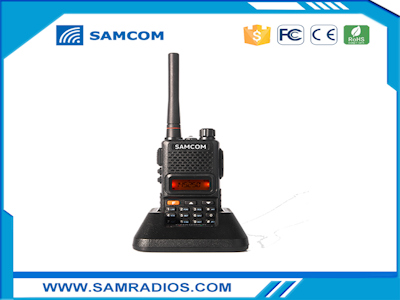
В современную эпоху цифровой трансформации промышленные беспроводные системы становятся неотъемлемой частью автоматизации, предлагая множество преимуществ, которые революционизируют подход к управлению производственными процессами. Эти системы, основанные на передовых технологиях, таких как Wi-Fi, Bluetooth, Zigbee, LoRaWAN и 5G, обеспечивают гибкость, масштабируемость и эффективность, недостижимые с традиционными проводными решениями. В данной статье мы подробно исследуем ключевые преимущества промышленных беспроводных систем, их влияние на различные отрасли, а также будущие перспективы развития. Мы рассмотрим, как они способствуют повышению производительности, снижению затрат, улучшению безопасности и интеграции с Интернетом вещей (IoT), делая автоматизацию более адаптивной и инновационной.
1. Введение в промышленные беспроводные системы
Промышленные беспроводные системы представляют собой сети связи, которые используют радиоволны или другие беспроводные технологии для передачи данных между устройствами в промышленной среде. В отличие от проводных систем, они устраняют необходимость в физических кабелях, что открывает новые возможности для автоматизации. Эти системы широко применяются в таких областях, как manufacturing, энергетика, логистика и здравоохранение, где требуется высокая надежность и низкая задержка передачи данных. Основные компоненты включают датчики, актуаторы, шлюзы и управляющие устройства, которые работают в гармонии для обеспечения seamless connectivity.
Исторически промышленная автоматизация relied heavily на проводных сетях, таких как Fieldbus или Ethernet, но с развитием технологий беспроводная связь стала более стабильной и безопасной. Например, стандарты like IEEE 802.15.4 for Zigbee или cellular networks like LTE-M provide robust solutions for harsh industrial environments. This shift is driven by the need for greater flexibility and the ability to deploy systems in remote or difficult-to-access areas. As we delve deeper, we will see how these systems are transforming industries by enabling real-time monitoring, predictive maintenance, and enhanced operational efficiency.
2. Преимущество 1: Повышение гибкости и мобильности
Одним из наиболее значительных преимуществ промышленных беспроводных систем является их способность обеспечивать гибкость и мобильность в автоматизированных процессах. В традиционных проводных системах добавление нового оборудования или изменение конфигурации требует значительных физических усилий и времени, включая прокладку кабелей и перемонтаж. Беспроводные системы eliminate these constraints, allowing for quick deployment and reconfiguration. Например, на производственной линии sensors can be easily moved or added without disrupting existing operations, which is crucial for adapting to changing production demands or implementing just-in-time manufacturing principles.
This flexibility extends to mobility aspects, such as the use of handheld devices or autonomous robots that rely on wireless communication for navigation and data exchange. In warehouses, for instance, wireless systems enable real-time tracking of inventory and assets, improving logistics and reducing errors. The ability to operate in dynamic environments without being tethered to fixed infrastructure not only enhances agility but also reduces downtime during maintenance or upgrades. Moreover, wireless systems support roaming capabilities, ensuring continuous connectivity even when devices are in motion, which is essential for applications like automated guided vehicles (AGVs) or drones in inspection tasks.
Statistics show that companies adopting wireless automation report up to 30% increase in operational flexibility, leading to faster response times to market changes. This advantage is particularly valuable in industries with high variability, such as food processing or pharmaceuticals, where production lines need to be frequently adjusted for different products or batches. By leveraging wireless technologies, businesses can achieve a more adaptive and resilient automation ecosystem.
3. Преимущество 2: Снижение затрат на установку и обслуживание
Экономия затрат является ключевым драйвером внедрения промышленных беспроводных систем. По сравнению с проводными аналогами, беспроводные решения significantly reduce initial installation costs by eliminating the need for extensive cabling, conduits, and associated labor. For example, in a large factory, the cost of running cables can account for up to 50% of the total automation budget, whereas wireless systems require only the deployment of devices and access points, which can be done more quickly and with less disruption. This not only lowers capital expenditure but also minimizes the time required for project completion, enabling faster return on investment (ROI).
Additionally, maintenance costs are substantially lower with wireless systems. Cables are susceptible to wear and tear, environmental damage, and corrosion, leading to frequent repairs and replacements. In contrast, wireless components are often designed for durability and can be easily replaced or upgraded without extensive downtime. Predictive maintenance algorithms, enabled by wireless sensors, can monitor equipment health in real-time, preventing costly failures and extending asset lifespan. For instance, in the oil and gas industry, wireless sensors on pipelines detect leaks early, avoiding expensive environmental cleanup and production losses.
Case studies from various sectors demonstrate that wireless automation can reduce total cost of ownership by 20-40% over a five-year period. This includes savings on energy consumption, as wireless devices are typically low-power and can be battery-operated, reducing the need for continuous power supply infrastructure. Furthermore, the scalability of wireless networks allows for incremental investments, meaning companies can start small and expand as needed without major upfront costs, making automation more accessible to small and medium-sized enterprises (SMEs).
4. Преимущество 3: Улучшение мониторинга и управления в реальном времени
Промышленные беспроводные системы empower organizations with enhanced real-time monitoring and control capabilities, which are critical for optimizing operational efficiency. By deploying wireless sensors throughout a facility, data on parameters such as temperature, pressure, vibration, and flow rates can be collected continuously and transmitted to central control systems without delay. This enables immediate responses to anomalies, such as adjusting machine settings or triggering alarms, thereby preventing defects, reducing waste, and ensuring product quality. In smart manufacturing, this real-time data integration facilitates adaptive control systems that can self-optimize based on current conditions.
The ability to monitor processes in real-time also supports better decision-making. For example, in energy management, wireless systems allow for dynamic load balancing and demand response, reducing energy costs and carbon footprint. In agriculture, wireless sensors monitor soil moisture and climate conditions, enabling precision irrigation that conserves water and increases crop yields. The low latency of modern wireless technologies, such as 5G, ensures that critical commands are executed almost instantaneously, which is vital for safety-critical applications like autonomous robotics or emergency shutdown systems.
Moreover, wireless systems enable remote monitoring, allowing operators to oversee operations from anywhere via cloud-based platforms. This is particularly beneficial for distributed sites or hazardous environments where physical presence is limited. By leveraging data analytics and artificial intelligence (AI), companies can gain deeper insights into performance trends, predict maintenance needs, and continuously improve processes. This leads to higher overall equipment effectiveness (OEE) and a more proactive approach to management, ultimately driving competitiveness in the global market.
5. Преимущество 4: Интеграция с Интернетом вещей (IoT) и Industry 4.0
Промышленные беспроводные системы являются фундаментом для интеграции с IoT и реализации концепции Industry 4.0, где cyber-physical systems communicate and collaborate seamlessly. IoT devices, equipped with wireless connectivity, can collect vast amounts of data from the shop floor, which is then analyzed to enable smart automation, predictive analytics, and autonomous decision-making. This integration transforms traditional factories into intelligent ecosystems where machines, products, and humans interact in real-time, leading to unprecedented levels of efficiency and innovation.
For instance, in a smart factory, wireless sensors on production equipment can communicate with ERP systems to optimize supply chain management, reduce inventory costs, and enhance customer satisfaction through personalized production. The use of wireless protocols like MQTT or CoAP ensures lightweight and efficient data exchange, suitable for resource-constrained devices. Additionally, wireless systems facilitate the deployment of digital twins—virtual replicas of physical assets—that simulate and optimize operations before implementation, reducing risks and accelerating innovation.
The synergy between wireless systems and IoT also enables new business models, such as servitization, where companies offer outcomes-based services rather than just products. For example, a manufacturer might use wireless monitoring to provide maintenance-as-a-service, ensuring uptime for clients. As Industry 4.0 evolves, wireless technologies will play a pivotal role in enabling edge computing, where data processing occurs closer to the source, reducing latency and bandwidth usage. This is essential for applications requiring rapid response, such as in autonomous vehicles or robotic surgery, further highlighting the transformative potential of wireless automation.
6. Преимущество 5: Повышение надежности и отказоустойчивости
Надежность является paramount в промышленных settings, где сбои могут lead to significant losses. Промышленные беспроводные системы designed with robustness in mind, incorporating features like mesh networking, redundancy, and error correction to ensure continuous operation even in challenging conditions. Unlike wired systems, which are vulnerable to physical damage from accidents, rodents, or environmental factors, wireless networks can be configured with multiple paths for data transmission, reducing the risk of single points of failure. For example, technologies like Zigbee or WirelessHART use mesh topologies where each device can relay data, enhancing network resilience.
Advanced protocols and standards, such as those defined by the International Society of Automation (ISA) or the IEC, ensure that wireless systems meet rigorous industrial requirements for reliability and safety. Encryption and authentication mechanisms protect against cyber threats, making wireless communication secure for critical applications. In practice, this means that even in high-interference environments or during power outages, wireless systems can maintain connectivity through battery backups or energy harvesting techniques. Case studies from sectors like mining or aerospace show that wireless automation reduces unplanned downtime by up to 25%, contributing to higher productivity and safety.
Furthermore, wireless systems facilitate easier troubleshooting and diagnostics. Remote monitoring tools can quickly identify and isolate issues, allowing for prompt repairs without disrupting entire operations. This proactive approach to reliability not only minimizes downtime but also enhances overall system longevity. As technologies evolve, the integration of AI for predictive analytics further boosts reliability by forecasting potential failures before they occur, ensuring that industrial processes run smoothly and efficiently.
7. Преимущество 6: Улучшение безопасности и соответствия стандартам
Безопасность является critical aspect промышленной автоматизации, и беспроводные системы contribute significantly to enhancing both physical and cybersecurity. Physically, the absence of cables reduces tripping hazards and fire risks, creating a safer work environment for employees. This is especially important in industries like chemicals or manufacturing, where accidents can have severe consequences. Additionally, wireless systems enable the deployment of safety devices, such as emergency stop buttons or gas detectors, in remote or hard-to-reach areas, ensuring comprehensive coverage without compromising safety.
From a cybersecurity perspective, modern wireless systems incorporate robust encryption, authentication, and intrusion detection mechanisms to protect against unauthorized access and data breaches. Standards like ISA/IEC 62443 provide guidelines for securing industrial communication networks, ensuring that wireless implementations meet regulatory requirements. For instance, in the healthcare sector, wireless medical devices must comply with strict regulations like HIPAA or GDPR, and wireless automation helps achieve this by enabling secure data transmission and access controls.
Compliance with industry standards not only mitigates risks but also enhances trust among stakeholders. Wireless systems facilitate audit trails and logging, making it easier to demonstrate adherence to regulations during inspections. Moreover, the ability to update security protocols wirelessly allows for rapid response to emerging threats, keeping systems protected over time. By integrating safety and security into the design phase, industrial wireless automation ensures that operations are not only efficient but also resilient against potential disruptions, safeguarding both assets and personnel.
8. Преимущество 7: Масштабируемость и будущая готовность
Масштабируемость is a hallmark of industrial wireless systems, allowing businesses to easily expand their automation infrastructure as needs grow. Unlike wired networks, which often require extensive reengineering for expansion, wireless systems can be scaled by simply adding more devices or access points. This modular approach supports incremental growth, enabling companies to start with pilot projects and gradually extend coverage to entire facilities or multiple sites. For example, a manufacturing plant might begin with wireless sensors on a single production line and later integrate additional lines or warehouses without major investments.
This scalability is complemented by future-proofing capabilities. Wireless technologies evolve rapidly, with advancements like 5G, Wi-Fi 6, and low-power wide-area networks (LPWAN) offering higher bandwidth, lower latency, and better energy efficiency. By adopting wireless systems, organizations can stay ahead of technological curves and easily upgrade to newer standards without replacing entire infrastructures. This flexibility is crucial in a fast-paced industrial landscape where innovation is continuous. For instance, the transition to 5G enables ultra-reliable low-latency communication (URLLC), which is essential for applications like autonomous robotics or augmented reality maintenance.
Moreover, wireless systems support interoperability with legacy equipment and emerging technologies, ensuring that investments remain valuable over the long term. Cloud integration and edge computing capabilities further enhance scalability by distributing processing power and storage as needed. As industries move towards more connected and intelligent operations, the ability to scale seamlessly will be a key competitive advantage, driving sustained growth and adaptation to market demands.
9. Примеры применения в различных отраслях
Промышленные беспроводные системы находят применение в diverse sectors, each leveraging their unique advantages. In manufacturing, they enable smart factories where machines communicate wirelessly to optimize production schedules, reduce waste, and improve quality control. For example, automotive companies use wireless sensors to monitor assembly lines in real-time, ensuring that defects are caught early and corrective actions are taken promptly. This results in higher throughput and lower scrap rates.
In the energy sector, wireless systems are used for monitoring and controlling power grids, oil rigs, and renewable energy installations. They facilitate remote data collection from turbines or solar panels, enabling predictive maintenance and efficient energy distribution. In logistics, wireless technologies support asset tracking, warehouse automation, and supply chain visibility, reducing delays and improving customer satisfaction. The healthcare industry benefits from wireless medical devices that allow for continuous patient monitoring and telemedicine, enhancing care delivery while reducing costs.
Agriculture is another area where wireless automation is transformative. Precision farming relies on wireless sensors to monitor soil conditions, weather, and crop health, enabling data-driven decisions that increase yield and sustainability. These examples illustrate the versatility of wireless systems and their ability to address specific challenges across industries, driving innovation and efficiency on a global scale.
10. Вызовы и соображения при внедрении
Несмотря на многочисленные преимущества, внедрение промышленных беспроводных систем сопряжено с certain challenges that must be addressed for successful implementation. One major concern is interoperability between different wireless protocols and legacy systems. Ensuring that new wireless devices can communicate with existing infrastructure requires careful planning and possibly the use of gateways or middleware. Additionally, environmental factors such as electromagnetic interference, physical obstacles, or harsh conditions can affect signal reliability, necessitating robust design and testing.
Security risks are another critical consideration. Wireless networks are vulnerable to eavesdropping, jamming, or cyber-attacks, which could disrupt operations or compromise sensitive data. Implementing strong encryption, regular security audits, and employee training is essential to mitigate these threats. Cost factors, while generally lower than wired systems, can still be a barrier for some organizations, especially when considering the need for specialized equipment or expertise.
To overcome these challenges, companies should conduct thorough feasibility studies, pilot projects, and collaborate with experienced vendors. Adopting standards-based solutions and investing in training for staff can smooth the transition. By addressing these considerations proactively, businesses can maximize the benefits of wireless automation while minimizing potential pitfalls.
11. Будущие тренды и инновации
Будущее промышленных беспроводных systems looks promising, with several trends poised to shape their evolution. The adoption of 5G technology will revolutionize industrial automation by providing ultra-high speed, low latency, and massive connectivity, enabling applications like real-time holographic communications or widespread use of autonomous systems. Artificial intelligence and machine learning will further enhance wireless networks by optimizing traffic, predicting failures, and enabling autonomous decision-making.
Edge computing will become more prevalent, with wireless systems facilitating data processing at the source rather than relying solely on cloud services. This reduces latency and bandwidth usage, making it ideal for time-sensitive applications. Additionally, the integration of blockchain technology could enhance security and transparency in wireless transactions, particularly in supply chain management.
Sustainability will also drive innovation, with a focus on energy-efficient wireless devices powered by renewable sources or energy harvesting. As industries continue to embrace digital transformation, wireless systems will play a central role in creating smarter, more connected, and resilient automation ecosystems, paving the way for a new era of industrial productivity.
12. Заключение
В заключение, промышленные беспроводные системы предлагают transformative преимущества для автоматизации, включая повышенную гибкость, снижение затрат, улучшенный мониторинг, интеграцию с IoT, надежность, безопасность и масштабируемость. Эти преимущества делают их indispensable в современной промышленности, способствуя innovation и efficiency across various sectors. Хотя challenges exist, such as interoperability and security, proactive planning and adoption of advanced technologies can mitigate these issues. Looking ahead, the continued evolution of wireless technologies like 5G and AI will further amplify these benefits, driving the future of industrial automation towards greater intelligence and connectivity. Companies that embrace these systems early will be well-positioned to lead in the competitive global market, achieving sustainable growth and operational excellence.
Эта статья предоставляет comprehensive overview преимуществ промышленных беспроводных систем, highlighting their critical role in the advancement of automation. By leveraging these technologies, businesses can unlock new levels of efficiency, safety, and innovation, ensuring long-term success in an increasingly digital world.
Предыдущая страница: Легкие рации для активного образа жизни без лишнего веса
Следующая страница: Сверхпрочные рации которые прослужат годы надежной связи в любых условиях