

- Адрес:Xiamei Town, Quanzhou, Fujian, China
- Телефон:1388xx888xx
- Мобильные телефоны:1388xx888xx
- Почтовый ящик:1388xx888xx@gmail.com
Текущее местоположение: Главная страница> Информационный центр> Радиосвязь нового поколения для эффективной командной работы
Радиосвязь нового поколения для эффективной командной работы
Добавить время:2025-11-26
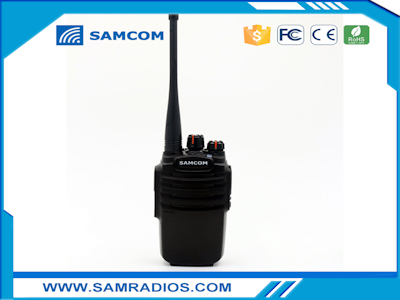
В современном мире, где скорость и точность коммуникаций определяют успех в бизнесе, науке и повседневной жизни, радиосвязь нового поколения становится ключевым инструментом для обеспечения эффективной командной работы. Эта статья предлагает всесторонний анализ технологических достижений в области радиосвязи, их влияния на производительность и рекомендации по внедрению.
1. Введение: Эволюция радиосвязи и ее роль в командной работе
Радиосвязь прошла долгий путь от простых аналоговых систем до сложных цифровых сетей, способных поддерживать высокоскоростную передачу данных, голоса и видео. В контексте командной работы, особенно в таких областях, как строительство, логистика, emergency services и корпоративные среды, надежная связь является основой координации и принятия решений. Новое поколение радиосвязи, включая технологии типа DMR (Digital Mobile Radio), TETRA (Terrestrial Trunked Radio) и интеграцию с 5G, предлагает беспрецедентные возможности для улучшения взаимодействия между членами команды.
Исторически, радиосвязь использовалась primarily для voice communication, но с advent цифровых технологий, она evolved to support data transmission, GPS tracking, and even multimedia applications. This evolution has been driven by the need for more efficient and secure communications in dynamic environments. For instance, in a construction site, teams can use digital radios to share blueprints, send alerts about hazards, and coordinate tasks in real-time, significantly reducing delays and errors.
Moreover, the integration of IoT (Internet of Things) devices with radio communication systems allows for automated data collection and analysis, further enhancing team efficiency. Sensors can monitor equipment status, environmental conditions, or personnel locations, and transmit this information instantly to a central command center. This real-time data flow enables proactive decision-making and minimizes downtime.
In emergency services, such as police or fire departments, next-generation radio systems provide critical features like encryption for secure communications, group calling for coordinated responses, and fallback options in case of network failures. These capabilities ensure that teams can operate effectively under pressure, saving lives and property.
Overall, the shift to digital radio communication represents a paradigm shift in how teams interact. It's not just about talking; it's about sharing information, collaborating seamlessly, and achieving goals with greater precision. As we delve deeper into this topic, we will explore the technical aspects, benefits, challenges, and future trends of next-generation radio communication.
2. Технологические основы радиосвязи нового поколения
Радиосвязь нового поколения основана на цифровых технологиях, которые offer several advantages over traditional analog systems. Key technologies include digital modulation schemes like QAM (Quadrature Amplitude Modulation) and OFDM (Orthogonal Frequency Division Multiplexing), which allow for higher data rates and better spectral efficiency. Additionally, protocols such as DMR and TETRA provide standardized frameworks for interoperable communications.
Digital radios use advanced codecs for voice compression, enabling clear audio even in noisy environments. They also support data services such as text messaging, file transfer, and internet access, making them versatile tools for team collaboration. For example, a logistics team can use radios to update shipment statuses, access databases, or conduct video conferences on the go.
Another critical aspect is the use of software-defined radio (SDR) technology, which allows radios to be reprogrammed for different frequencies and protocols. This flexibility is invaluable in scenarios where teams need to adapt quickly to changing conditions, such as in military operations or disaster response.
Security features are also enhanced in next-generation systems. Encryption algorithms protect communications from eavesdropping, while authentication mechanisms ensure that only authorized users can access the network. This is particularly important for teams handling sensitive information, such as in corporate or government settings.
Integration with other technologies, like 5G networks, extends the capabilities of radio communication. 5G offers ultra-low latency and high bandwidth, enabling real-time applications like augmented reality (AR) for remote assistance or autonomous vehicle coordination. By combining radio with 5G, teams can achieve a seamless communication ecosystem that supports both voice and data-intensive tasks.
In summary, the technological foundations of next-generation radio communication are built on digital innovation, interoperability, security, and integration with broader ICT infrastructures. These elements work together to create robust systems that empower teams to work more efficiently and effectively.
3. Преимущества цифровой радиосвязи для командной работы
Цифровая радиосвязь offers numerous benefits that directly enhance team productivity and collaboration. First and foremost, improved audio quality reduces misunderstandings and errors, which is crucial in high-stakes environments. Digital systems filter out background noise and provide crystal-clear voice transmission, ensuring that every message is heard accurately.
Enhanced coverage and reliability are other significant advantages. Digital radios can use trunking systems to dynamically allocate channels, reducing congestion and ensuring that teams always have access to communication resources. This is especially beneficial in large areas or crowded events where analog systems might fail.
Data capabilities open up new possibilities for team interaction. For instance, teams can share documents, images, or videos in real-time, facilitating better decision-making. In field services, technicians can receive instructions or schematics directly on their devices, eliminating the need for paper-based processes and reducing response times.
GPS integration allows for real-time tracking of team members, which improves safety and coordination. Supervisors can monitor locations, assign tasks based on proximity, and respond quickly to emergencies. This feature is invaluable in industries like mining, oil and gas, where workers operate in hazardous conditions.
Cost efficiency is another benefit. Digital systems often have lower operating costs due to better spectrum utilization and reduced maintenance needs. Additionally, the ability to integrate with existing IT systems means that teams can leverage current investments, such as CRM or ERP software, for a unified communication experience.
Scalability is key for growing organizations. Digital radio networks can be easily expanded to accommodate more users or覆盖 larger areas without significant infrastructure changes. This makes them ideal for businesses that are scaling up or operating in multiple locations.
Overall, the advantages of digital radio communication translate into tangible improvements in team efficiency, safety, and overall performance. By adopting these technologies, organizations can foster a more connected and responsive work environment.
4. Применение в различных отраслях: Примеры и кейсы
Радиосвязь нового поколения finds applications across a wide range of industries, each with unique requirements and benefits. In the construction industry, for example, teams use digital radios to coordinate tasks, share safety alerts, and manage resources. A case study from a major construction firm showed that implementing a DMR system reduced communication-related delays by 30% and improved overall project timelines.
In logistics and transportation, radio communication is essential for fleet management. Drivers can communicate with dispatchers, receive route updates, and report issues in real-time.集成 GPS and data services allows for optimized routing减少 fuel consumption and delivery times. Companies like Amazon or FedEx utilize such systems to enhance their supply chain operations.
Emergency services rely heavily on robust radio systems. Police departments use TETRA networks for secure and reliable communications during operations. Features like emergency buttons and location tracking help ensure officer safety and effective response. After implementing a next-generation system, a city's police force reported a 20% improvement in response times and better coordination during large-scale events.
In the corporate world, radio communication supports facility management, security teams, and event coordination. For instance, during a corporate event, staff can use radios to manage crowds, coordinate with vendors, and respond to incidents swiftly. This leads to smoother operations and enhanced guest experiences.
Healthcare is another sector where radio communication plays a vital role. Hospitals use it for internal communication among staff, such as nurses and doctors, to coordinate patient care. In emergencies, it enables quick mobilization of resources, potentially saving lives.
These examples illustrate how next-generation radio communication is tailored to meet the specific needs of different industries, driving efficiency and innovation. By learning from these use cases, organizations can identify best practices for their own implementations.
5. Вызовы и решения при внедрении новых систем связи
Несмотря на многочисленные преимущества, внедрение радиосвязи нового поколения сопряжено с challenges. One common issue is the high initial cost of upgrading from analog to digital systems. Organizations must invest in new hardware, software, and training, which can be a barrier for small businesses. However, the long-term savings and efficiency gains often justify the investment. Solutions include phased rollouts, leasing options, or seeking government grants for critical sectors like public safety.
Interoperability is another challenge, especially when integrating with legacy systems or other communication networks. Standards like DMR and TETRA help, but custom solutions may be needed. Working with experienced vendors and conducting thorough testing can mitigate these issues.
Cybersecurity risks are heightened with digital systems. Encryption and authentication are essential, but teams must also implement policies for data protection and regular security audits. Training users on best practices, such as avoiding phishing attacks or unauthorized access, is crucial.
User adoption can be slow if the new system is perceived as complex or unnecessary. Providing comprehensive training and demonstrating the benefits through pilot programs can ease the transition. Involving end-users in the selection and design process ensures that the system meets their needs.
Technical challenges, such as signal interference or coverage gaps, require careful planning. Site surveys and spectrum analysis can identify potential problems early on. Using repeaters or mesh networks can extend coverage in difficult areas.
By addressing these challenges proactively, organizations can successfully implement next-generation radio communication systems and reap the rewards of enhanced team work.
6. Будущие тенденции и инновации в радиосвязи
Будущее радиосвязи promises even greater advancements that will further revolutionize team collaboration. One emerging trend is the integration of artificial intelligence (AI) for predictive maintenance and optimized network management. AI algorithms can analyze usage patterns to prevent failures and allocate resources efficiently.
Another innovation is the development of cognitive radio, which can automatically adjust frequencies to avoid interference and improve spectrum utilization. This will be particularly useful in crowded urban environments or during emergencies when communication channels are congested.
The convergence of radio communication with 5G and beyond will enable new applications, such as massive IoT deployments for smart cities or industrial automation. Teams will be able to communicate with thousands of devices seamlessly, enhancing data-driven decision-making.
Enhanced mobility features, such as support for high-speed vehicles or drones, will expand the scope of radio communication. For example, in agriculture, drones equipped with radios can relay data on crop health to teams on the ground, enabling precise interventions.
Sustainability is also a focus, with efforts to reduce energy consumption through green technologies. Solar-powered radios or energy-efficient designs will make these systems more environmentally friendly.
As these trends evolve, teams can look forward to even more intelligent, adaptive, and efficient communication tools that support their work in unprecedented ways.
7. Рекомендации по выбору и внедрению систем радиосвязи
Для organizations looking to adopt next-generation radio communication, several recommendations can guide the process. First, conduct a needs assessment to identify specific requirements, such as coverage area, number of users, and types of communication (voice, data, etc.). This will help in selecting the right technology, whether it's DMR, TETRA, or a hybrid solution.
Choose reputable vendors with proven track records and good support services. Evaluate their products for features like scalability, security, and interoperability. Request demonstrations or trials to test the system in real-world conditions.
Plan for training and change management to ensure smooth adoption. Develop training programs that cover both technical aspects and best practices for use. Encourage feedback from users to continuously improve the system.
Implement in phases, starting with a pilot group to iron out any issues before full deployment. Monitor performance metrics, such as call quality, data throughput, and user satisfaction, to measure success.
Finally, consider future-proofing by investing in technologies that support upgrades and integration with emerging trends like 5G or AI.
8. Заключение: Путь к эффективной командной работе через инновационную связь
В заключение, радиосвязь нового поколения представляет собой мощный инструмент для enhancing team work across various sectors. By leveraging digital technologies, organizations can achieve clearer communication, better coordination, and improved safety. While challenges exist, they can be overcome with careful planning and execution.
As we move forward, embracing innovations like AI, 5G, and cognitive radio will further elevate the capabilities of these systems. Teams that adopt these advancements will be better positioned to thrive in an increasingly connected and competitive world.
Investing in next-generation radio communication is not just about upgrading technology; it's about empowering people to work together more effectively and achieve common goals. By doing so, organizations can unlock new levels of productivity and success.
Предыдущая страница: Энергия в ваших руках мощная зарядная система
Следующая страница: новейшая технология для долгих расстояний